2016
Sabka Ghar Ashram begins
DVMS begins the Ashram initiative in Dausa with a focus on care, dignity and a safe place for vulnerable people.
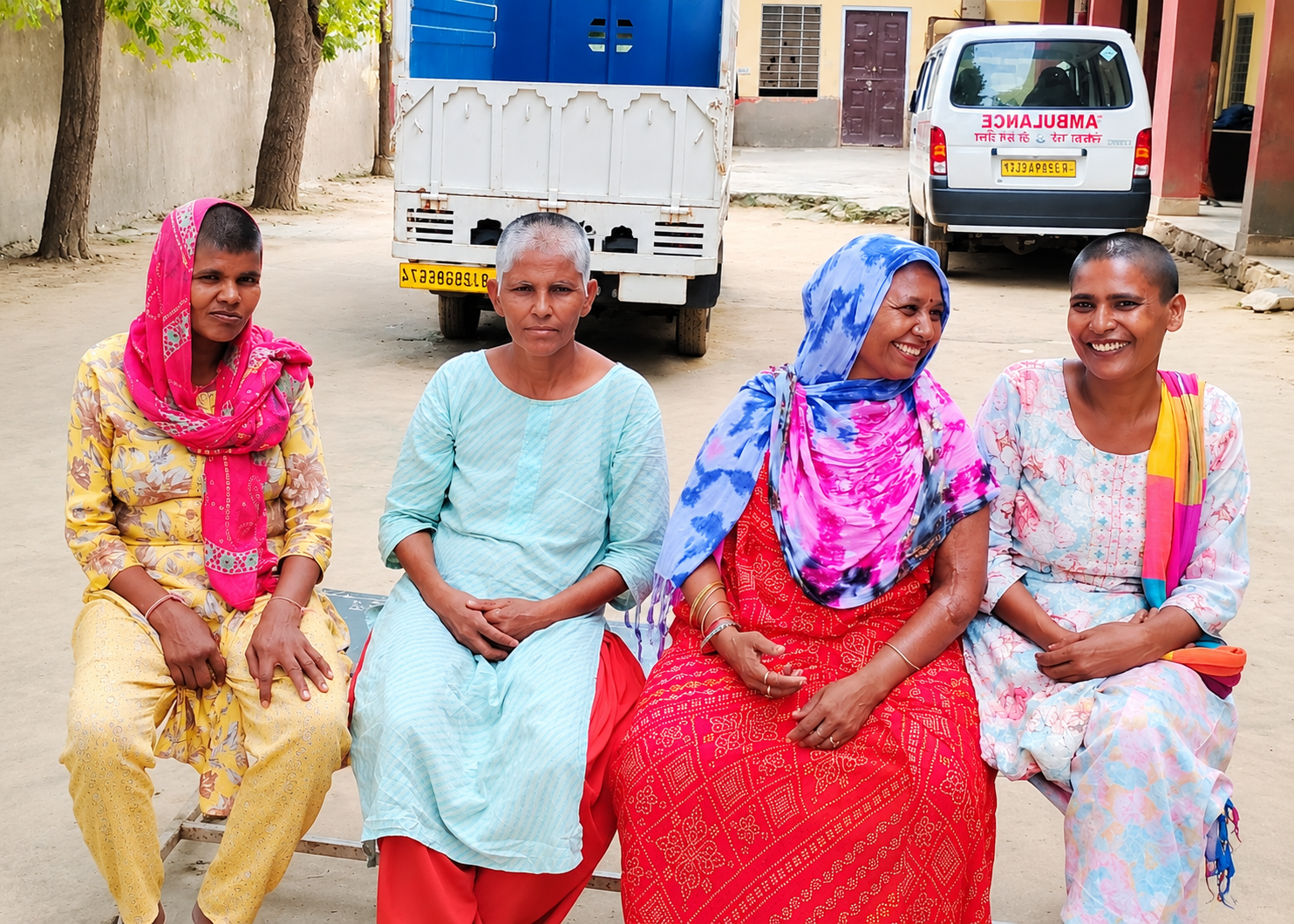
A Home of Care, Protection, Dignity and Hope
Established in 2016 under DVMS, Sabka Ghar Ashram is a residential care and rehabilitation initiative focused on supporting people who require safety, care, protection and a dignified living environment.
We believe that every person deserves a safe place to live, compassionate care, opportunities to rebuild their life and the dignity of being accepted as a valued member of society.
We envision a society where vulnerable people are protected from neglect and exclusion and have access to care, dignity, health, safety and opportunities for rehabilitation and social inclusion.
Sabka Ghar Ashram works to provide safe shelter, compassionate care, protection, health support, psychosocial well-being and rehabilitation for people in vulnerable situations.
Our approach is centred on the individual — understanding their needs, providing appropriate support and, wherever possible, working towards family restoration, rehabilitation and social reintegration.
A visual summary based on the supplied resident analysis, milestone presentation and case-study material. The resident figures below are presented as documented in the latest supplied milestone analysis.
Across the supplied milestone analysis, 96 residents are recorded as restored to family, 72 as voluntarily left, 36 passed away in care, and 78 are staying with the Ashram. Where families could not be found, the Ashram performed last rites with respect.
Referral and access pathways documented in the supplied resident records.
Key milestones from the supplied Ashram milestone journey.
DVMS begins the Ashram initiative in Dausa with a focus on care, dignity and a safe place for vulnerable people.
The supplied resident journey begins in the resident register.
Mintu arrives after hospital treatment in Dausa and is later treated for tuberculosis.
20 people were welcomed; 8 families were reunited.
The 50th resident was welcomed.
30 admissions are recorded in the supplied milestone presentation.
The 100th resident joins the Ashram; 51 admissions are recorded for the year.
59 admissions were recorded; 22 residents were restored to their families.
The 200th resident was welcomed.
The 250th resident was welcomed; the milestone presentation records 282 lives through 30 September 2026.
Psychosocial support, emotional care, counselling, social participation, rights and protection awareness.
Education, nutrition, hygiene, health, psychosocial support and safe living conditions for children staying with vulnerable mothers.
Healthcare, nutritious meals, hygiene, cleanliness, safe living conditions, counselling and preventive health awareness.
Shelter, food, healthcare, hygiene, companionship, social and cultural activities and Day Care Centre support.
Dignity-centred residential care and assistance, including residents supported through the Samarth Project.
Awareness, social participation and community engagement strengthening protection, inclusion and recognition of rights.
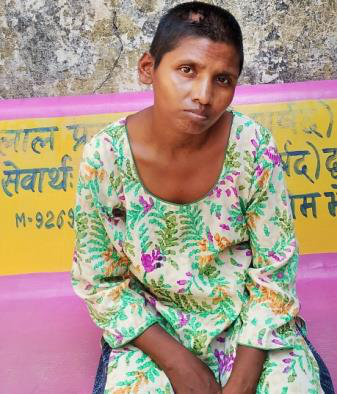 Manisha
The supplied case study records a period of profound social isolation following family and personal losses. Manisha had been living on the streets with an untreated mental health condition, severe neglect of personal hygiene, disorientation and tobacco addiction.
After police rescued her and brought her to the Ashram, the team focused on safety, hygiene, nutrition and routine, followed by patient mental-health monitoring, rebuilding self-care habits, tobacco cessation support and family tracing.
The case study records sustained improvement: regular bathing and personal hygiene, timely meals, a consistent routine, physical and mental stability, and complete cessation of tobacco use. The team continues efforts to trace her mother and daughter.
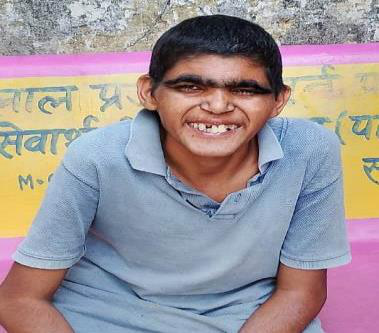 Mintu
Mintu is originally from Haryana and had left home in childhood. After an accident and hospital treatment in Dausa, he had no known family address or person to receive him. He could not recall enough information to return home.
Soon after arrival, Mintu was diagnosed with tuberculosis. The Ashram ensured a full three-month course of TB medication, along with nutrition and monitoring, and provided repeated support to build basic hygiene and self-care routines, considering his intellectual disability.
The supplied case study records full recovery from tuberculosis and gradual improvement in hygiene, along with growing comfort and happiness at the Ashram.
Data note: Sabka Ghar Ashram is described as beginning in 2016. The supplied resident database records admissions from 2018 onward. This visual section follows the latest supplied milestone presentation and milestone-book figures; where the source explicitly qualifies 2026, figures are treated as up to 30 September 2026.
The objective is not simply to provide shelter, but to create a supportive pathway towards dignity, well-being and appropriate rehabilitation.
Providing safe, weather-protected and secure housing.
Attentive, compassionate and dignified daily living supervision.
Wholesome, balanced, culturally appropriate daily meals.
Regular checkups, health tracking and treatment management.
Sanitary facilities, clothing, and personal hygiene assistance.
Mental health assessment, active counselling, and trauma healing.
Literacy, numerical skills, and adaptive self-care skills.
Practical crafts, vocational training and productive pursuits.
Diligent tracing of families and social background documentation.
Sustainable reunifications or long-term supported living.
Tailored living, emotional, medical and social support for each person entering our sanctuary.
Women experiencing vulnerability, abandonment, neglect or difficult circumstances may require a safe and supportive environment. Our approach is guided by dignity, respect, privacy and compassion.
Children in need of care and protection require more than shelter. They need safety, emotional support, education and opportunities to develop their potential.
Health and well-being are central to dignified living. Our goal is to ensure that residents receive care that addresses both their physical and emotional well-being.
Older persons may experience loneliness, abandonment, health challenges or lack of family support. Sabka Ghar Ashram seeks to provide elderly residents with a safe and caring environment where their basic needs, health and emotional well-being are supported.
Care is not only about meeting physical needs. Human connection, respect and companionship are equally important. Through interaction, recreation, cultural activities and community participation, Sabka Ghar Ashram seeks to create an environment where residents feel heard, respected and included.
Persons with disabilities may face barriers to healthcare, social participation and independent living. Sabka Ghar Ashram works towards creating an inclusive and supportive environment with a steadfast focus on ability, dignity, participation and inclusion.
Celebrations and community activities can play an important role in emotional well-being and social inclusion. Sabka Ghar Ashram organizes and facilitates appropriate cultural, social and community activities that encourage residents to participate, interact and experience a sense of belonging.
From Care to Recovery, From Support to Inclusion
Every case is different. Therefore, rehabilitation and restoration efforts should be based on individual needs, safety considerations and the most appropriate dignified outcome.
Outreach and identification of individuals in severe distress or vulnerability.
Immediate medical attention, nutrition, and safe emergency stabilization.
Holistic physical, psychological, and social background evaluation.
Emotional support, individual sessions, and trust building.
Coordinated investigations with local authorities and welfare departments.
Capacity strengthening and vocational readiness.
Formal reunification with families or transition to community-assisted care.
Ongoing follow-up to ensure safety, acceptance, and sustainable livelihood.